Solutions

FREE ZONES AUTHORITIES AND GOVERNMENTS

In today’s global landscape, the effectiveness of free zones depends on how well authorities can designcompetitive regimes, ensure efficient processes, and coordinate a complex ecosystem of public institutions, operators, and private sector stakeholders.
At Araujo Ibarra, we understand how free zone ecosystems operate in practice. We have supported authorities acrossmultiple countries in assessing competitiveness, optimizing processes, strengthening governance, and aligning key institutions to position free zonesas high-performing platforms for investment and trade.

Solutions

We advise free zone authorities and governments in each country on:

01
Evaluation of the national free zone framework, assessing its level of modernization and alignment with international standards (OECD, WTO, WCO).
02
Assessment of competitiveness and the effectiveness of incentives schemes across the country’s target sectors and industries, in comparison with peer economies.
03
Evaluation of approval processes for free zones and their users, identifying opportunities to improve efficiency, transparency and timelines.
04
Analysis of governance structures and coordination mechanisms between free zones and key ecosystem institutions, including customs authorities, free zone operators, private sector users, investment promotion agencies and central government bodies.
05
Review and strengthening of national promotional materials, used by investment and export promotion agencies to improve country positioning and messaging.

Driving Global Competitiveness Through Free Zones

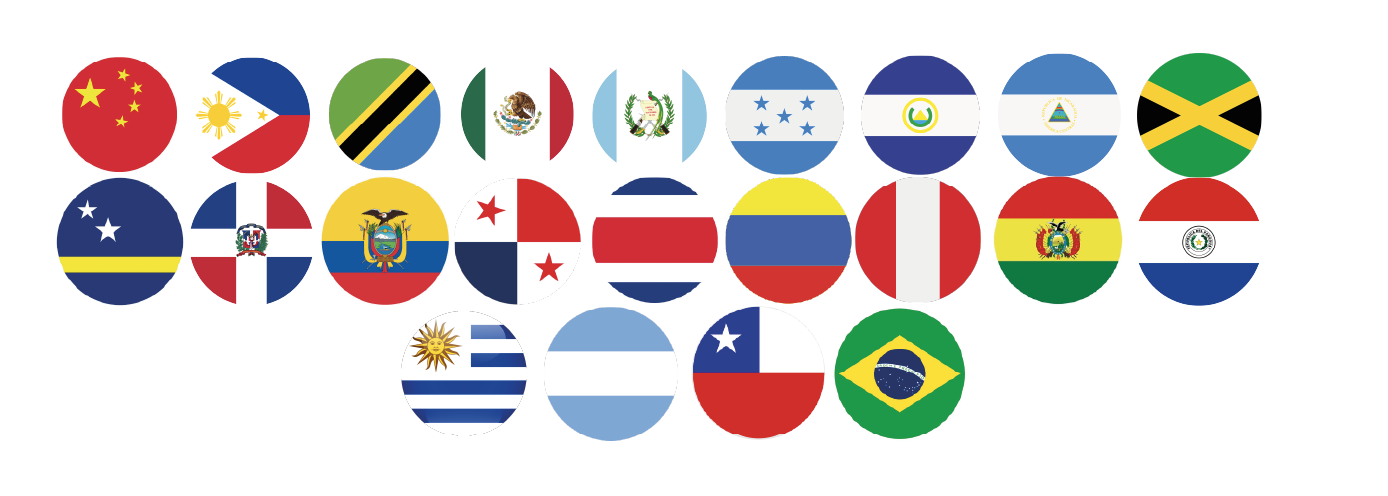
We believe free zones are key to economic growth and global integration. For over five decades, we have supported governments in more than 50 countries across the Americas and the Caribbean, aswell as Africa and Asia, in strengthening policies, regulatory frameworks, and competitiveness strategies.